

You know the feeling you get after you complete a hard workout, achieve goals, listen to music you enjoy, and connect with loved ones? There is a chemical in your brain, known as the “feel-good” neurotransmitter, that plays a vital role in your brain’s reward system. What is that chemical? Dopamine.
You may have heard of dopamine before, but you may not have connected certain activities with the meaning behind why you feel so good during or afterwards. Below are a few ways and activities that boost dopamine and, in turn, boost motivation, memory, and your brain’s natural reward system.
9 Ways to Support Dopamine Naturally
PRIORITIZE PROTEIN
You may have heard a lot of buzz around protein and its importance for building muscle, but its benefits extend even further. To connect protein and the brain, dopamine is synthesized from tyrosine, an amino acid found in foods like eggs, poultry, fish, beef, dairy, pumpkin seeds, and legumes. So, focusing on a protein-rich diet helps support the foundation of neurotransmitter production.
To read more about the connections between proteins and brain health, check out my previous blog, “Importance of Protein for Mental Health.”
EXERCISE REGULARLY
Have you ever felt on top of the world after a hard workout? When you engage in exercise, the brain releases large amounts of dopamine, which has an effect on memory, pleasure, motivation, attention, and mood. Movement such as walking, strength training, cycling, and others can help improve motivation, mood, and mental clarity.
To read more about the relationship between dopamine and exercise, check out my previous article, “What Happens in Your Brain When You Exercise.”
GET MORNING SUNLIGHT
When you first wake up, instead of reaching for coffee or rushing out the door for work, take time to get outside for direct morning light. Natural light helps regulate the circadian rhythm, or your body’s natural internal clock for sleeping and waking. A 2017 study evaluating dopamine’s impact on circadian rhythms determined that it’s likely dopamine is an essential mechanism that helps regulate the circadian rhythm of five brain areas. For morning light, try to aim for 10-20 minutes of direct sunlight.
PRIORITIZE QUALITY SLEEP
Alongside morning sunlight, dopamine signaling is intrinsically tied to sleep and wakefulness. Being sleep-deprived makes it harder for your body to respond to available dopamine, which affects motivation and alertness. Stage three sleep, known as deep sleep, is incredibly restorative to the body. It is during this stage of sleep that dopamine receptors have the chance to be restored.
Being consistent in going to bed around the same time at night and waking up around the same time in the morning allows your body to find a rhythm it can easily adapt to. This means your sleep latency (the time it takes for you to fall asleep) gets shorter.
If you’re interested in learning more about sleep and the importance of sleep, check out my previous article, “How Much Sleep Do You Actually Need?”
SUPPORT KEY NUTRIENTS
There are specific nutrients that are known to increase dopamine levels, such as:
l-theanine, vitamin D, B5, B6, omega-3 fatty acids, and magnesium.
SUPPORT YOUR GUT MICROBIOME
The brain and the body are intricately connected–meaning they are constantly communicating back and forth to one another–through the gut-brain axis. These messages influence neurotransmitter signaling, inflammation, and stress responses. When our gut feels stress, it can be difficult for dopamine to be released, leading to symptoms of anxiety, depression, and other mental health disorders.
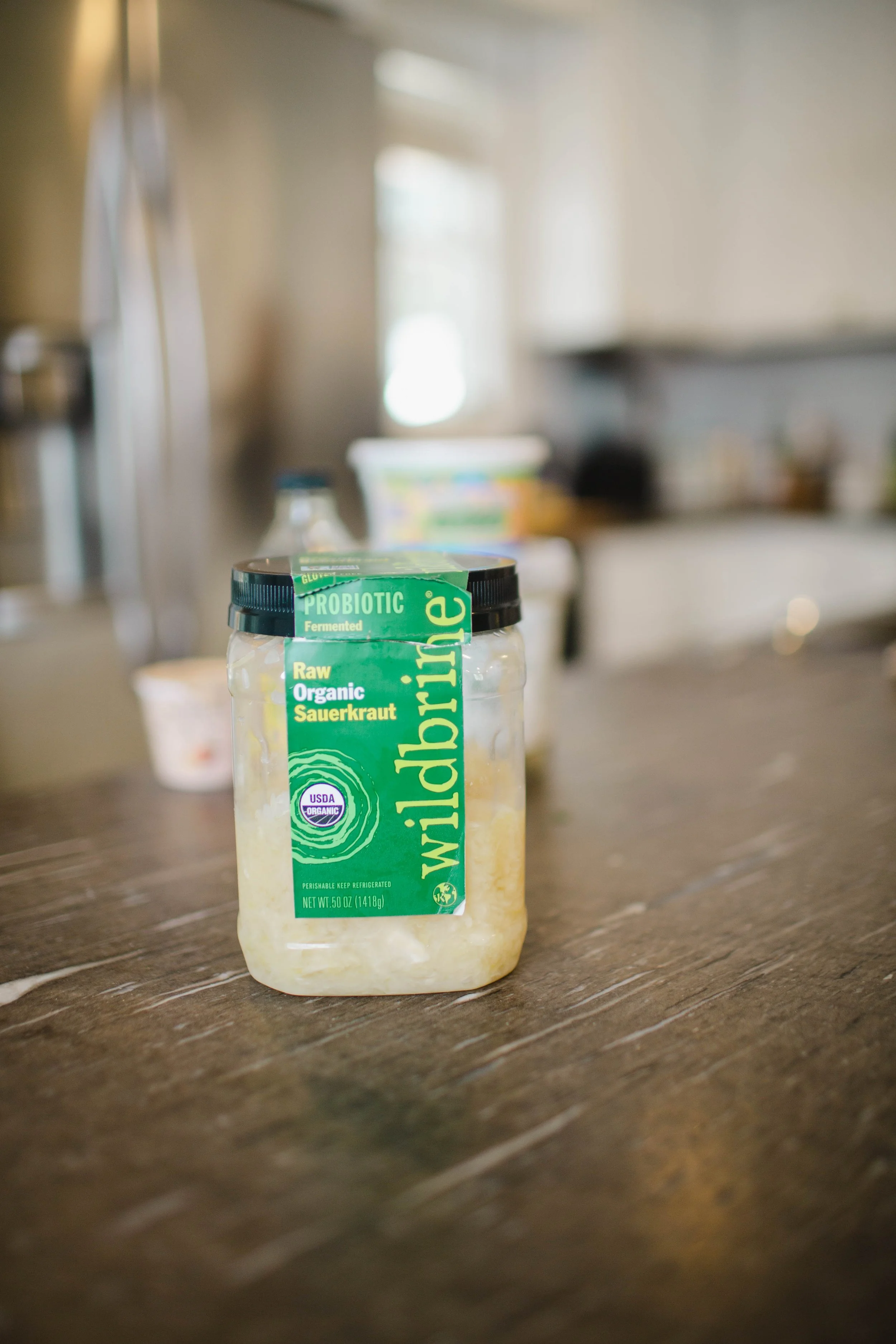
Diversifying your diet with an array of colorful and fiber-rich foods, prebiotic foods, and fermented foods all support a healthy gut microbiome. In supporting your microbiome, you support your brain–and vice versa!
LISTEN TO YOUR FAVORITE MUSIC
Throwing on your favorite playlist can activate the brain’s natural reward circuit! The songs you enjoy listening to can actually boost dopamine! Creating a go-to playlist that makes you feel energized is a great and easy way to increase your mood–bonus points if you dance around your home or include other types of movement!
ACHIEVING SMALL GOALS
Checking things off of your to-do list boosts dopamine! Having attainable goals is great for feeling challenged and motivated, and completing those goals is great for your brain. Breaking up your goals into small actionable steps allows your brain to recognize progress and reinforce the habits that allowed you to achieve the goal.
PRACTICE STRESS MANAGEMENT
Prolonged and chronic stress has been known to affect the brain’s motivation, reward processing, and overall mood. As stress impacts dopamine, dopamine also plays a role in how we respond to stressful situations, depending on the stressful event. Mindful activities like yoga, breathwork, and spending time outdoors, as well as connecting with loved ones where you feel supported, can help support stress levels.
Remember, when you choose activities, foods, habits, and hobbies that fuel your mind and body, you support your well-being. Living well doesn’t have to be complicated. Prioritizing the staples and foundational pillars of health will allow you to become more confident in yourself every day.