

Have you ever woken up in the morning after a poor night’s sleep and had your whole day feel off?
Sleep is not just a time to rest; it serves as a reset button for the body to recover from the previous day and recharge for the day ahead. When you don’t get enough sleep or prioritize good sleep hygiene, it can create downstream effects that can negatively impact hormones and other parts of the body.
Let’s dive in.
Sleep and Circadian Rhythm
Prioritizing a good circadian rhythm may be one of the most important tools in your health toolbox! Think of sleep and wake rhythms as having their own internal clocks in our body: this is our circadian rhythm. Unconsciously to us, our body receives external cues, such as morning sunlight and evening darkness, to signal to the hypothalamus in our brain whether to release certain hormones depending on the cue. Particular hormones like cortisol, melatonin, insulin, estrogen, and testosterone are deeply tied to the sleep-wake cycle.
Sleep and Hormones
Cortisol
Cortisol is at its highest when you first wake up. It gives you the physical energy to get out of bed. When you are deprived of sleep, it can cause cortisol levels to stay high, leading to an increase in inflammation, overall stress, and weight gain. Instead of reaching for more coffee to get through your day, which can cause greater cortisol release, try getting direct morning sunlight on your face. Morning sunlight supports our circadian rhythm by releasing cortisol to give us natural energy and alertness and to help us feel more awake without the need for coffee.
Melatonin
If cortisol is the morning and wakefulness hormone, melatonin is the nighttime and sleepiness hormone. Melatonin is released when exposed to lower light, triggering your body to slow down and to prepare your body for sleep. When there are inconsistent sleep patterns, it can confuse the body when it’s actually time to wind down. Another factor that leads to inconsistent sleep patterns? Our technological devices. The blue light that comes from our phones, tablets, and computers emit blue light that signals to the brain that it’s daytime. Putting away devices at least an hour before bed would guide your body into a restful state.
Insulin
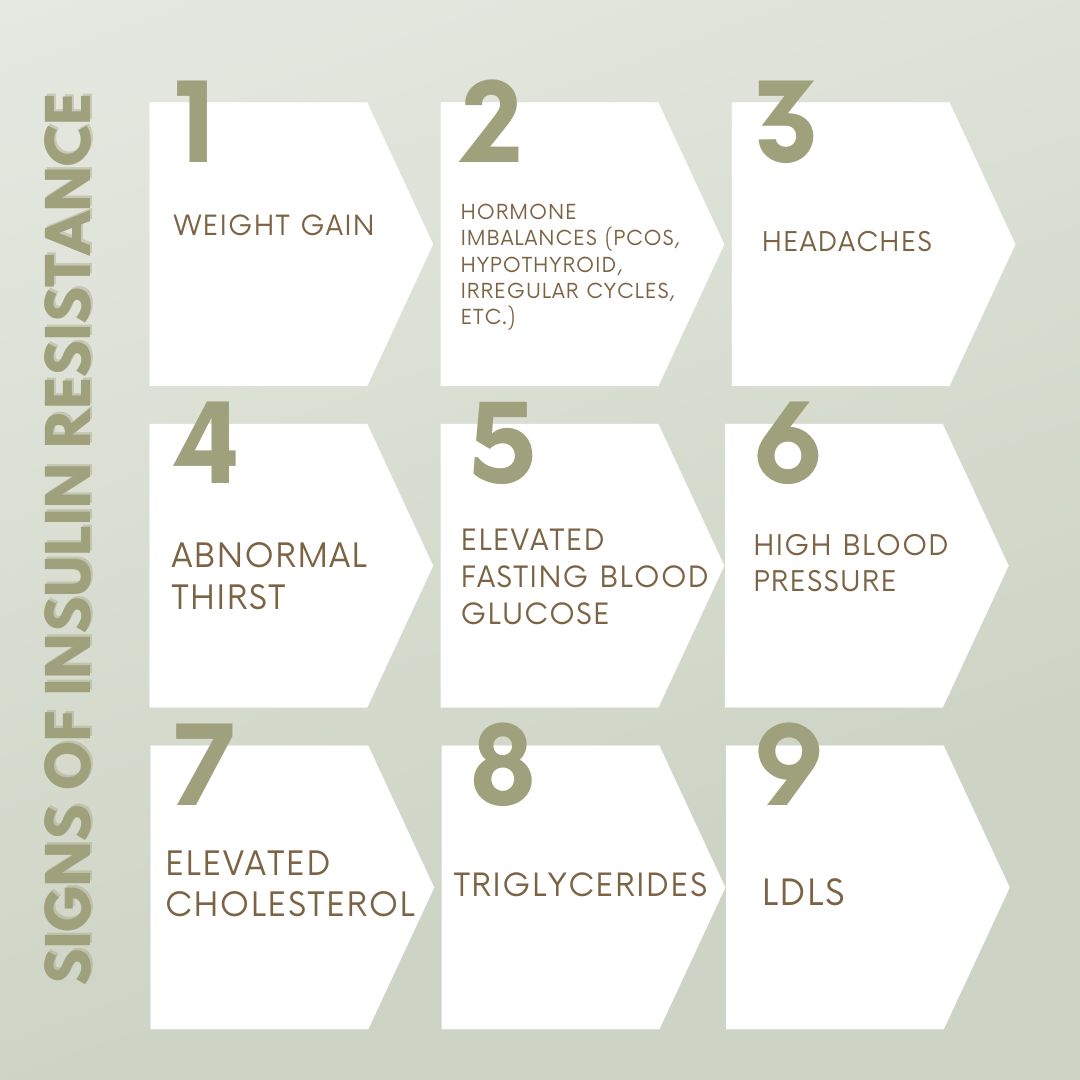
Many things can affect our blood sugar, such as specific foods, exercise, and stress levels. When there is a spike in blood sugar, our bodies need the help of glucose and insulin. Without insulin, glucose remains in the bloodstream and accumulates, leading to higher blood sugar levels and insulin resistance. Having poor sleep over time can lead to reduced insulin sensitivity, creating a greater risk for metabolic issues and further blood sugar imbalances.
To read more about blood sugar, check out my previous blog, “The Importance of Balanced Blood Sugar.”
Testosterone
Testosterone plays a role in circadian rhythms as levels are highest in the morning and lowest in the evening. As we sleep, testosterone levels are restored. Therefore, when there are sleep disturbances, it can affect testosterone’s ability to rise.
Estrogen
Estrogen is essential to process serotonin, the neurotransmitter nicknamed the “feel-good” hormone. Serotonin isn’t only involved in mood or self-confidence, but it helps regulate the body’s circadian rhythm. If you have too little estrogen, and therefore low serotonin, it can lead to a disruption in sleep patterns.
Growth Hormone
Growth hormone is released in pulses, with a significant surge occurring during sleep, specifically slow-wave sleep. Think of your growth hormone as your repair and recovery hormone. It supports tissue repair, muscle recovery, and metabolic health. Insufficient deep sleep may interfere with normal growth hormone secretion.
Ghrelin & Leptin
Also known as your “hunger hormones,” ghrelin helps stimulate hunger, while leptin communicates information about energy stores and satiety. Inadequate sleep can disrupt appetite regulation, although hormonal changes vary between individuals.
Whole-Body Approach to Health
As a functional nutritionist, I take a whole-body approach to health. I not only help my clients through nutrition guidance, but I evaluate the root cause of negative symptoms that can arise from imbalances in the body, such as hormones. In my Hormone Health Intensive, we consider the ways lifestyle factors, such as sleep quality, are helping or hindering health.
To read more about the importance of sleep for overall health, check out my previous blog, “How Much Sleep Do You Actually Need?” and “Glymphatic System: Unlocking the Nighttime Detox.”