

Antibiotics are very powerful in ridding your body of bacteria–so powerful that they do almost too good a job. When it comes to the gut microbiome, antibiotics wipe away the “bad” bacteria to prevent worsening infection while also taking with them the “good” bacteria, too.
Teamed with trillions of microscopic organisms, our gut microbiome is like an ecosystem that directly affects processes within the immune, endocrine, and nervous systems. Our gut serves as a network point of communication that’s so intrinsically tied to other systems that researchers call it the “second brain.”
Let’s dive in to review how antibiotics can affect the delicate ecosystem within our digestive walls, communication with other bodily systems, and the ways to support your health after antibiotics.
What Happens to Your Gut After Antibiotics?
At some point in your life, you may have been prescribed antibiotics to cure strep throat, urinary tract infections (UTIs), ear infections, and other bacterial infections.
The effects of antibiotics on the gut microbiome can include:
Reduction in both harmful and beneficial bacteria
Decreased microbial diversity
Opportunistic bacteria or yeast may have an easier time growing.
Reduced production of beneficial short-chain fatty acids
Temporary digestive symptoms like bloating, diarrhea, or constipation
Potential effects on immunity, metabolism, and mood through the gut-brain axis
The gut and brain are constantly communicating and sending signals to one another using the gut-brain axis.
The gut and brain are such great communicators that more information passes between your brain and gut than any other system in the body.
Steps to Rebuild Your Gut After Antibiotics
Step 1:
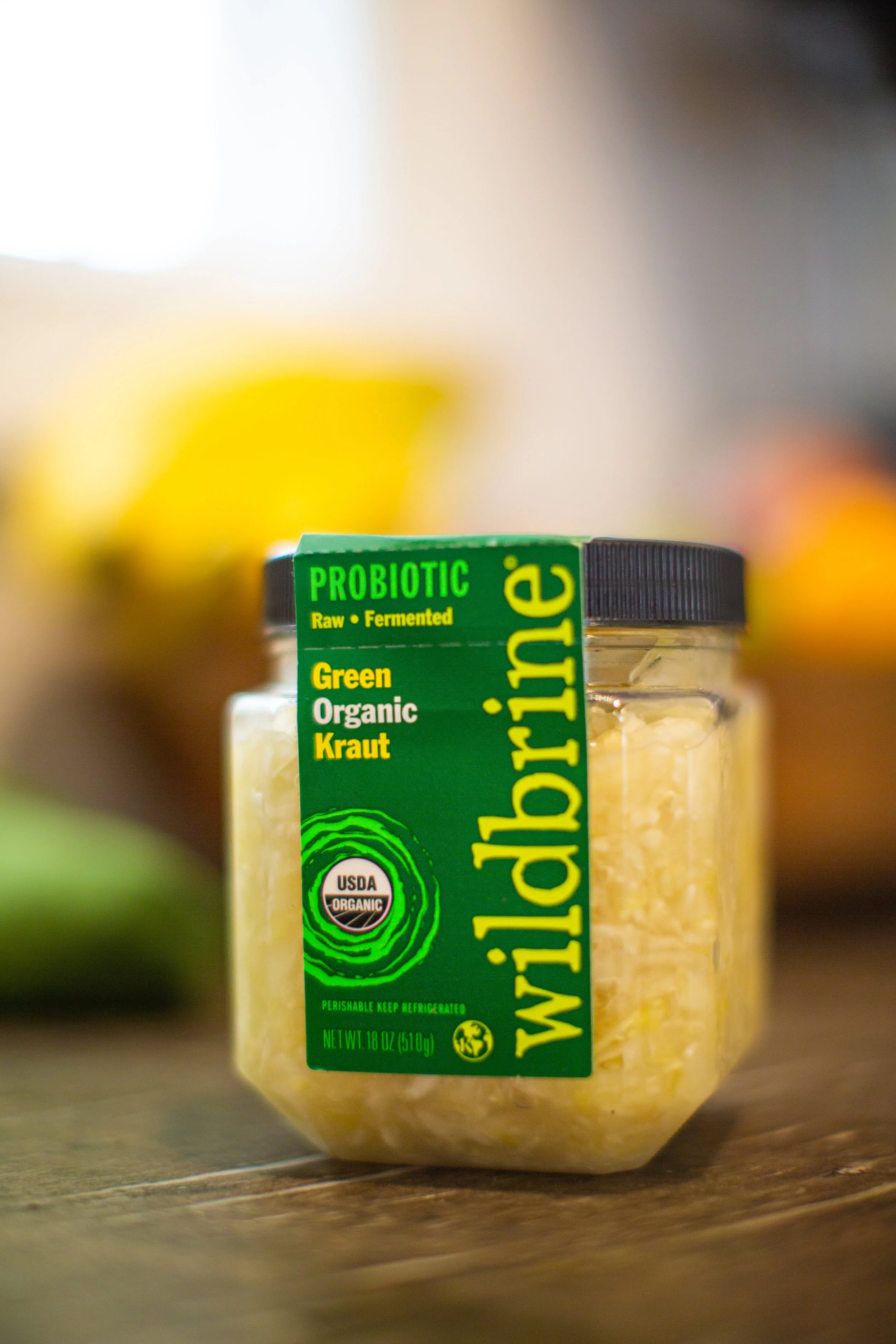
Focus on fermented foods, as they are the most bioavailable sources of “good” bacteria. In a 10-week study and a 17-week study, researchers found an association between fermented foods and an increase in microbial diversity, a reduction in inflammation, and improved digestion.
To read more about the underrated heroes of fermented foods, check out my previous blog, “Importance of Fermented Food.”
Step 2:
Fiber as a natural prebiotic
Think of prebiotics as the fuel for “good” microbes! They support probiotics through supporting the digestive system, gut-brain axis, and communication, and hormone stimulation for hunger and fullness cues.
Step 3:
Eat the rainbow! Diversify your plant food intake to reestablish an abundant microbiome.
Step 4:
Repair and support the gut lining
Antibiotics are drivers of “leaky gut,” where undigested food particles, toxins, and other byproducts pass through the gut lining and circulate in the body. When the selective lining of our gut isn’t strong, it stimulates our immune system and may cause food reactions, skin issues (acne, eczema, psoriasis, dermatitis), joint pain, mental health disorders, brain fog, and chronic inflammation, to name a few.
Nutrients such as glutamine, zinc, omega-3s, polyphenols, and vitamins like vitamin D and vitamin A support the gut lining.
To read more about leaky gut, check out my previous blog, “Leaky Gut: What It Is, Why It Happens, and How to Heal It Naturally.”
Step 5:
Consider a quality probiotic - Food should always be the foundation, but a probiotic supplement may help support the restoration of beneficial bacteria after a course of antibiotics.
When choosing a probiotic, keep in mind that not all probiotics are the same–different strains have different functions, with some being multi-strain. A probiotic should depend on your symptoms and health history. Many clinicians may recommend taking probiotics during and for several weeks after antibiotics to help build back up the “good” bacterial communities.
Study on Antibiotics and Their Impact on Human Health
A 2022 study examining the impact of antibiotics on the microbiome and its further implications to overall health found that individuals who were administered antibiotics reported having disrupted gut microbiome populations, persisting even after 12 weeks post-treatment. With these changes to the microbiome bacteria ecosystem for the study participants, their gut bacteria composition also showed antibiotic-resistant strains.
Just as it sounds, antibiotic resistance is when bacteria change in order to resist the rapidly effective treatment of antibiotics. The overuse and misuse of antibiotics can drive this drug resistance and make some bacterial infections difficult to treat.
Master Your Microbiome
Using GI-MAP testing, I help my clients who suffer from bloating, gas, food intolerances, and other digestive issues. Together, we build up the gut microbiome by tackling bacterial imbalances, yeast and parasites, inflammation, gluten sensitivity, and more. To read more about GI-MAP testing, check out my previous blog, “Master Your Microbiome | The GI-MAP Test.”
My Gut Health Intensive program involves a deep dive into your gut and microbiome health. Each client is different, so I approach each treatment plan and personalize each protocol based on individual results.
Ready to dive into your microbiome?
Tap below!