

Are You Really Constipated? Signs, Root Causes & How to Get Things Moving Naturally
We’ve all been there. The uncomfortable bloating, gas, and indigestion that occur from the miserable feeling of being constipated. The inability to have a bowel movement can create further health issues.
From digestive problems like gut dysbiosis and poor nutrient absorption to hormone imbalance, increased inflammation, and depleted energy, constipation can be a warning sign from the body that something is off.
What is Considered “Normal”?
If you have experienced chronic constipation, you may have asked yourself how many bowel movements are considered “normal” in a day. Ideally, you should be having 1-3 well-formed bowel movements everyday (well-formed meaning #3 and #4 on the Bristol Stool Chart from Medical News Today attached below).
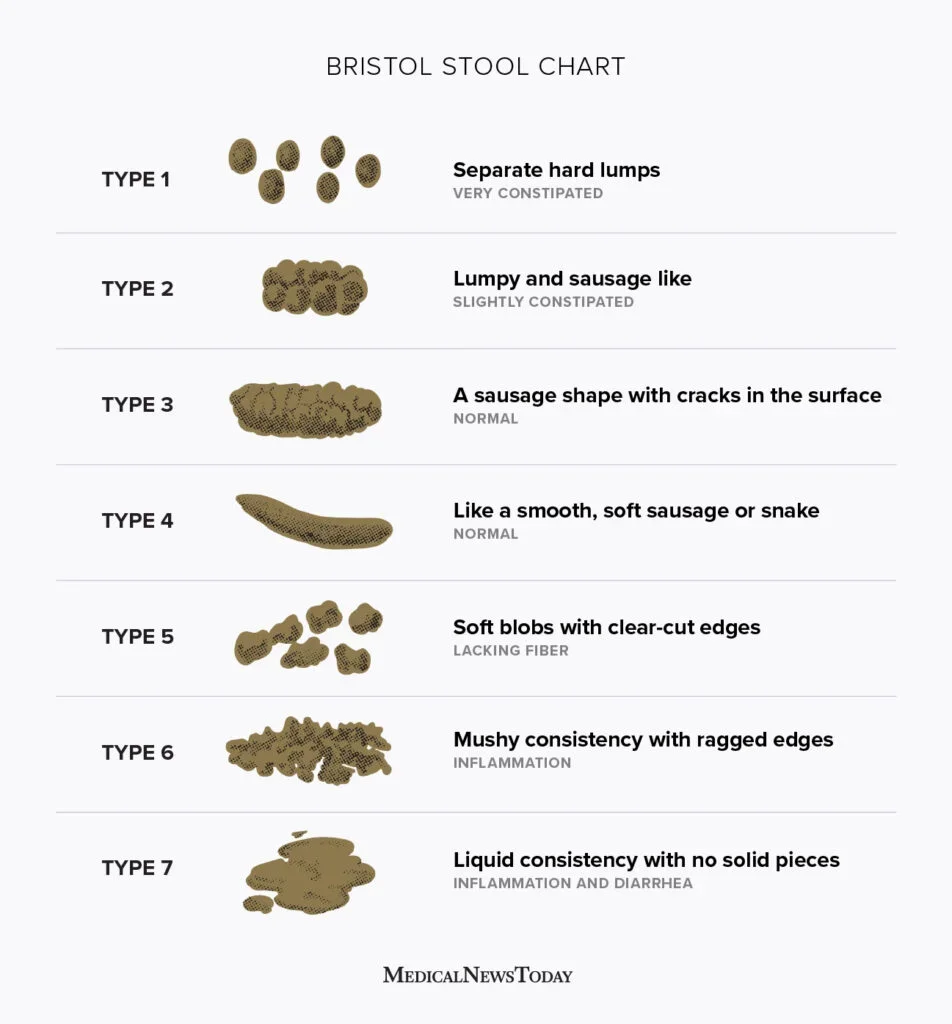
There should not be excessive straining while you’re in the bathroom, and it shouldn’t require more than a few minutes. Although constipation is thought to only include circumstances when someone is unable to poop, it also includes diarrhea.
When your system is backed up by hard stool, liquid stool–a.k.a. diarrhea–seeps around the stool, blocking the digestive passage. This is called paradoxical diarrhea. Paradoxical diarrhea may occur after a few days of feeling constipated and “backed up” with hard stool. Some symptoms of paradoxical diarrhea include:
Passing watery stool
Feeling like you’re not passing a complete bowel movement
Abdominal cramping
What is Constipation Telling You?
Our bodies are constantly communicating with us! Being in tune with what your body needs helps you give it the tools it needs to thrive. Experiencing constipation, especially frequently, can be a sign that there are some imbalances; think of your bowel movements as your body’s way of informing you how well your lifestyle habits are affecting your digestion.
As using the bathroom is an essential part of removing waste, constipation impacts your body’s ability to detox. Poor detoxification can lead to a build-up of toxins–leading to gut dysbiosis, affecting nutrient absorption, impacting hormones and energy levels, and driving inflammation.
To read more about the body’s natural detox mechanisms and ways to support your detoxing organ, the liver, check out my previous blog, “Unlocking Liver Health: Deep Dive into Function, Detox, and Optimal Wellness.”
Common Causes of Constipation
As constipation may come and go due to temporary changes to diet, exercise, and environment, here are some common causes:
Poor fiber intake Check out my previous blog, “The Power of Fiber–Gut Health Boosting Smoothie,” to read more about the importance of fiber and get my gut health smoothie recipe!
Dehydration
Poor digestion (low stomach acid, inadequate digestive enzymes, poor bile flow)
Lack of movement
Stress
Low magnesium
Medications
Hormone changes
Gut conditions (IBS, SIBO, Dysbiosis, pelvic floor dysfunction)
Traveling
Natural Ways to Improve Constipation
If you're struggling with constipation, the goal isn't simply to force a bowel movement—it's to support your body's natural digestive processes and address why things have slowed down in the first place.
Start with the foundations. Staying well hydrated, eating enough fiber, chewing your food thoroughly, slowing down during meals, moving your body regularly, and managing stress all play an important role in healthy digestion and bowel regularity.
Here are a few additional strategies that may help:
Increase your fiber intake gradually. Aim for at least 25–35 grams of fiber per day from fruits, vegetables, legumes, whole grains, nuts, and seeds. If your current intake is low, increase fiber slowly over several weeks and be sure to drink plenty of water to prevent worsening constipation.
Stay hydrated and replenish electrolytes. Water helps soften stool, while electrolytes—particularly magnesium—support proper muscle contractions throughout the digestive tract. If you're exercising frequently, sweating heavily, or spending time in the heat, electrolyte replacement can be especially beneficial.
Consider magnesium (when appropriate). Magnesium citrate and magnesium oxide may help draw water into the intestines and promote bowel movements. These forms aren't ideal for everyone, so it's best to discuss the appropriate type and dose with your healthcare provider.
Try aloe vera juice. Some individuals find that 2–3 ounces of aloe vera juice daily helps support regularity and soothe the digestive tract. Choose a product specifically labeled for internal use and avoid excessive amounts, as too much may cause diarrhea.
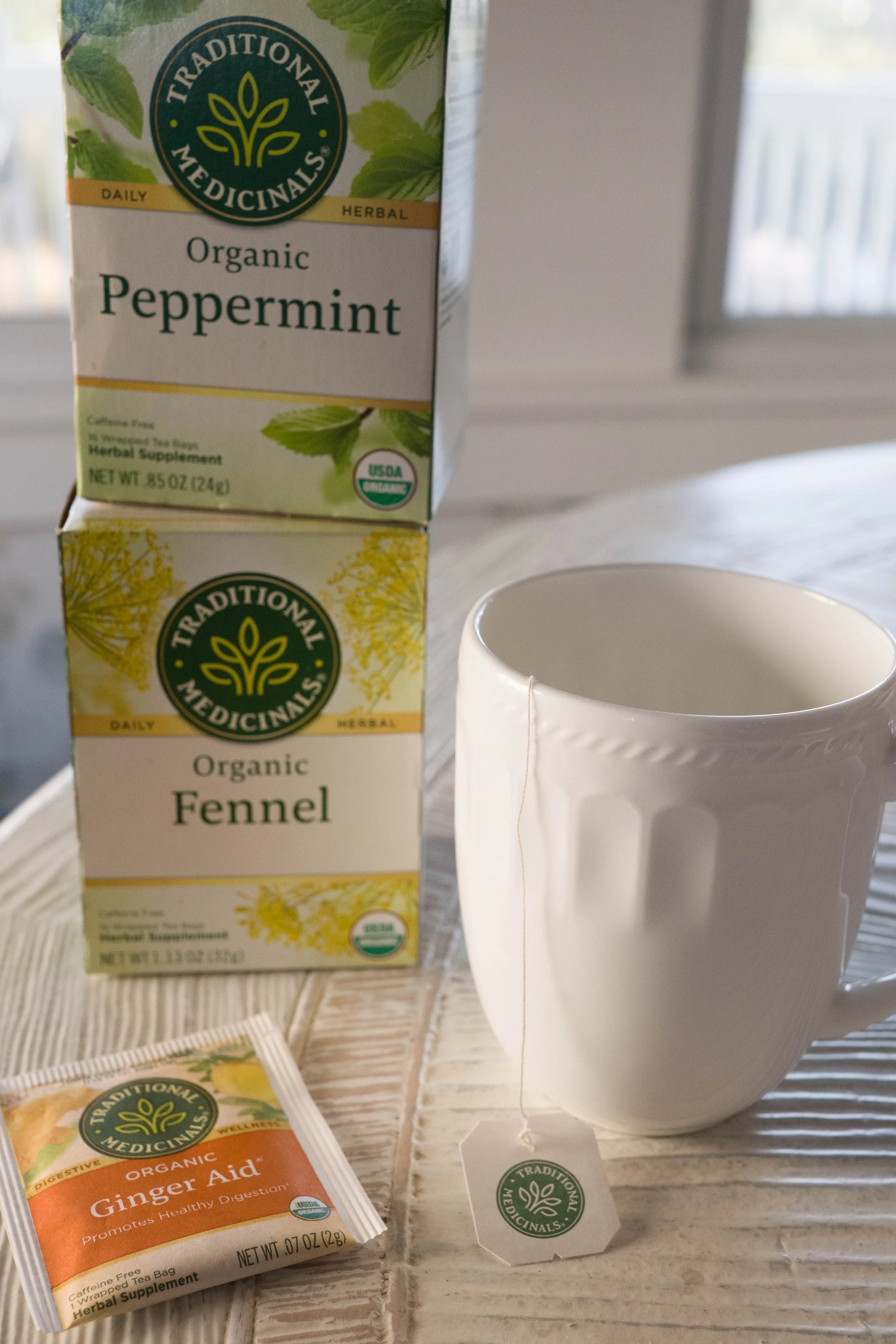
Sip on digestive herbal teas. Peppermint, ginger, and fennel tea can help support digestion, reduce bloating, and encourage healthy gut motility. While they aren't a cure for constipation, they can be a soothing addition to a gut-friendly routine.
Support digestion with digestive enzymes. If constipation is related to poor digestion, low stomach acid, or feeling overly full after meals, digestive enzymes may help improve food breakdown and nutrient absorption, reducing the digestive burden.
Probiotics may be beneficial for some people. Certain probiotic strains can help improve stool frequency and support a healthier gut microbiome. However, probiotics aren't one-size-fits-all, and some people—particularly those with SIBO or significant dysbiosis—may not tolerate them initially.
When should you seek additional testing?
Remember, supplements should complement a healthy lifestyle—not replace it. Relying on laxatives to help you use the bathroom is not a long-term solution, as your motility will become dependent on the supplementation.
If constipation has been ongoing, is worsening, or is accompanied by symptoms such as significant pain, blood in the stool, or unexplained weight loss, it's important to seek medical evaluation.
Most importantly, chronic constipation is often a sign that something deeper needs attention. Whether it's poor digestion, an imbalanced gut microbiome, hormone changes, medications, or another underlying issue, identifying the root cause is key to achieving long-term relief. Working with a qualified healthcare practitioner can help you develop a personalized plan that addresses your unique needs instead of simply masking symptoms.
Interested in getting to the root cause of your constipation?
Tap below!