

Is Your Gut Ready for Cold and Flu Season?
It’s that time of year again: cooler weather is approaching, school is back in session, and with spending more time indoors with others comes the rise of cold and flu viruses.
There are ways to combat being under the weather this cold and flu season through lifestyle adjustments that boost your immune system, taking care of your gut health, prioritizing sleep, and getting adequate amounts of vitamins and minerals.
Immune System and Gut Health
Did you know that 70% of your immune system resides in your gut? Meaning, your nutrition and lifestyle play a major role in immune function and protection against unwanted invaders.
Having a diet rich in diversity, fermented foods, and high-fiber foods all increase gut microbial diversity, which supports the immune cells that live there. Fermented foods increase the communities of “good” bacteria that not only build a stronger immune system, but also improve digestion and nutrient absorption, improve the gut and brain connection, and regulates hormone imbalances. Think of fiber as the fuel source for the “good” bacteria, or probiotics.
To read more, check out my previous blog, “Importance of Fermented Foods.”
Increasing the number of plants you consume is a great start to improving your gut diversity and banishing harmful bacteria!
Foods high in fiber:
Beans (black, pinto, navy, kidney)
Lentils (brown, red, green)
Peas (chickpeas, split peas)
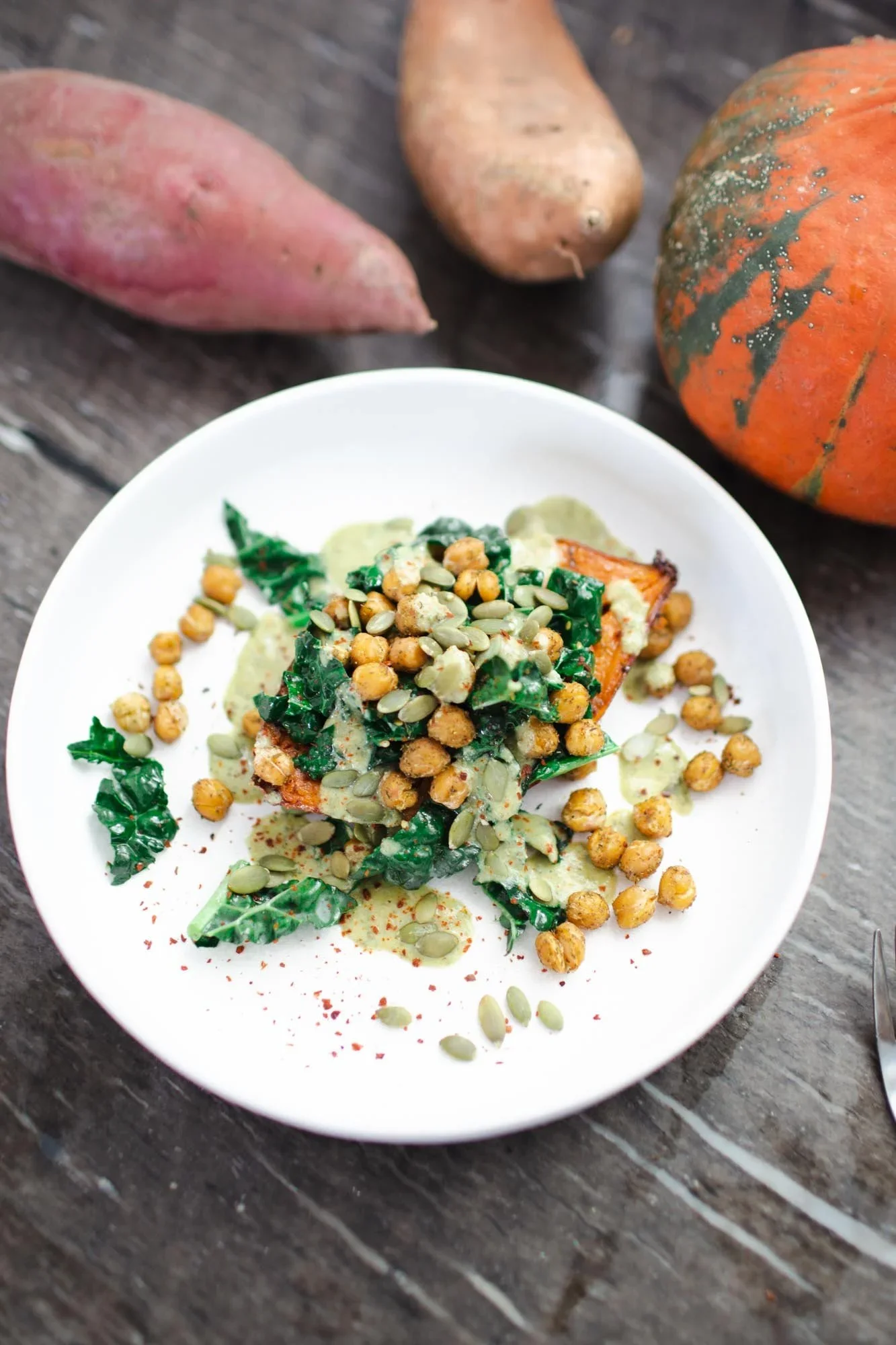
Try my Fall Harvest Sweet Potato recipe that includes chickpeas! It’s warming, comforting, and the perfect high-fiber recipe that’s easy to prep for a busy week!
Seeds (chia, flax)
Edamame
Fermented foods:
Sauerkraut
Kimchi
Kefir
Kombucha
Tempeh
Miso
Sipping on bone broth or making a bone broth hot chocolate (check out my recipe here!) is a comforting way to strengthen the gut lining and support the immune system. Bone broth is high in essential nutrients like collagen, amino acids like glutamine, proline, and glycine, vitamins, and minerals.
Immune System and Sleep
Have you ever been told, “sleep is the best medicine?” Prioritizing sleep as a daily ritual boosts your body’s natural defensive mechanism and can improve infection outcomes if you do catch a cold or come down with a fever. The levels of antibodies, proteins that find and destroy harmful invaders, and cells that fight off infections decrease. Studies have shown that not getting adequate quality sleep makes you more likely to get sick if exposed to a virus, and a lack of sleep can affect how fast you are able to get better.
As the weather gets colder or you feel run down with a busy schedule, take time to focus on your sleep schedule. Going to sleep and waking up around roughly the same time every day allows your body to fall into a natural rhythm and sleep-wake cycle.
Before you go to sleep, try reducing the things that keep you awake while increasing the things that help you relax. Limiting screen time, drinking hot teas like chamomile, slowing down your night routine, not eating for a few hours before bedtime to allow your body to fully digest, and calming your mind are great ways to ease your body and mind into having a good night’s rest.
Immune System and Vitamin D
Although vitamin C is commonly associated with immune health, vitamin D is also a hero when it comes to supporting immune health. Vitamin D interacts with immune cells to help identify and eliminate harmful pathogens. A lack of vitamin D has been linked to having a weaker immune response, an increase in susceptibility to infections, and a higher risk of developing chronic disease.
Let’s face it, no one likes to get sick; don’t let the cold and flu season get you down! When your immune system is strong, it has a cascade effect of other beneficial outcomes for the body, as many bodily systems communicate with one another. You can care for your immunity this season by adjusting and prioritizing your daily habits and lifestyle to include dietary choices that support gut health, regulate your sleep schedule, and get enough vitamins and minerals.