

Limiting Toxin Exposure: Cleaning Supplies, Beauty Products, and Drinking Water
With thousands of products to choose from, numerous opinions on the best choices, and mistrusted labels, limiting daily exposure to harmful chemicals can be hard. These chemicals can be found in cleaning supplies, plastics, cookware, skincare and beauty products, and even in our drinking water.
Understanding that many products sold contain harsh, toxic, and unwanted chemicals that can contribute to hormone disruption and other potential health risks makes awareness of the source even more important.
Let’s dive in!
Harm From Environmental Toxin Exposure
Our liver works hard to eliminate harmful toxins–from what we put in or on our bodies to the air we breathe. This massive detox organ can get overloaded, however, and our bodies can be faced with toxic build-up. Toxic overload can lead to gut permeability, mast cell overreaction, histamine responses, overall inflammation, and endocrine disruption.
To learn more about the liver, read my previous blog, “Unlocking Liver Health: Deep Dive into Function, Detox, and Optimal Wellness.”
Mistrust in Labeling and Branding
Many common-name products found at the store contain labels such as “natural” or “organic,” even though they still contain harmful substances. When I am comparing multiple products, I always read the label to look for toxins. One of my favorite apps that helps me dive deeper into products and their ingredients is EWG (Environmental Working Group), which lets you search for ingredients in brands and products.
Common Sources of Toxic Exposure:
Home Cleaning Supplies
Cleaning agents contain a combination of chemicals that can negatively impact your health. Many contain ingredients such as phthalates and parabens, which have been linked to the accumulation of volatile organic compounds (VOCs) in the body. Long-term VOC exposure can lead to certain cancers, organ dysfunction, nervous system damage, and endocrine disruption.
Products I recommend:
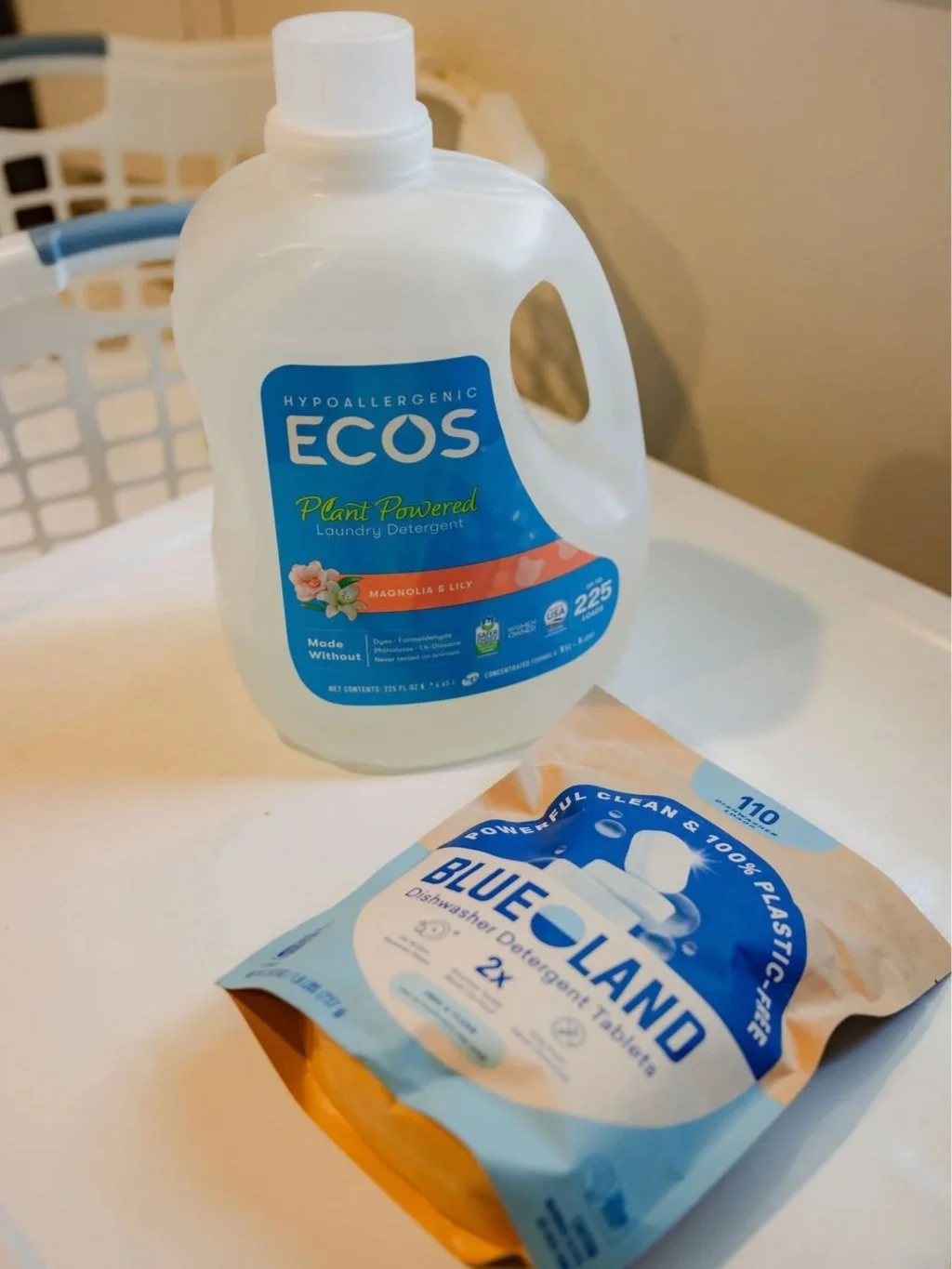
Laundry detergent: ECOS
Avoid using dryer sheets as they contain harmful toxins and volatile organic compounds that can cause skin irritation.
Dishwasher tabs: Blueland
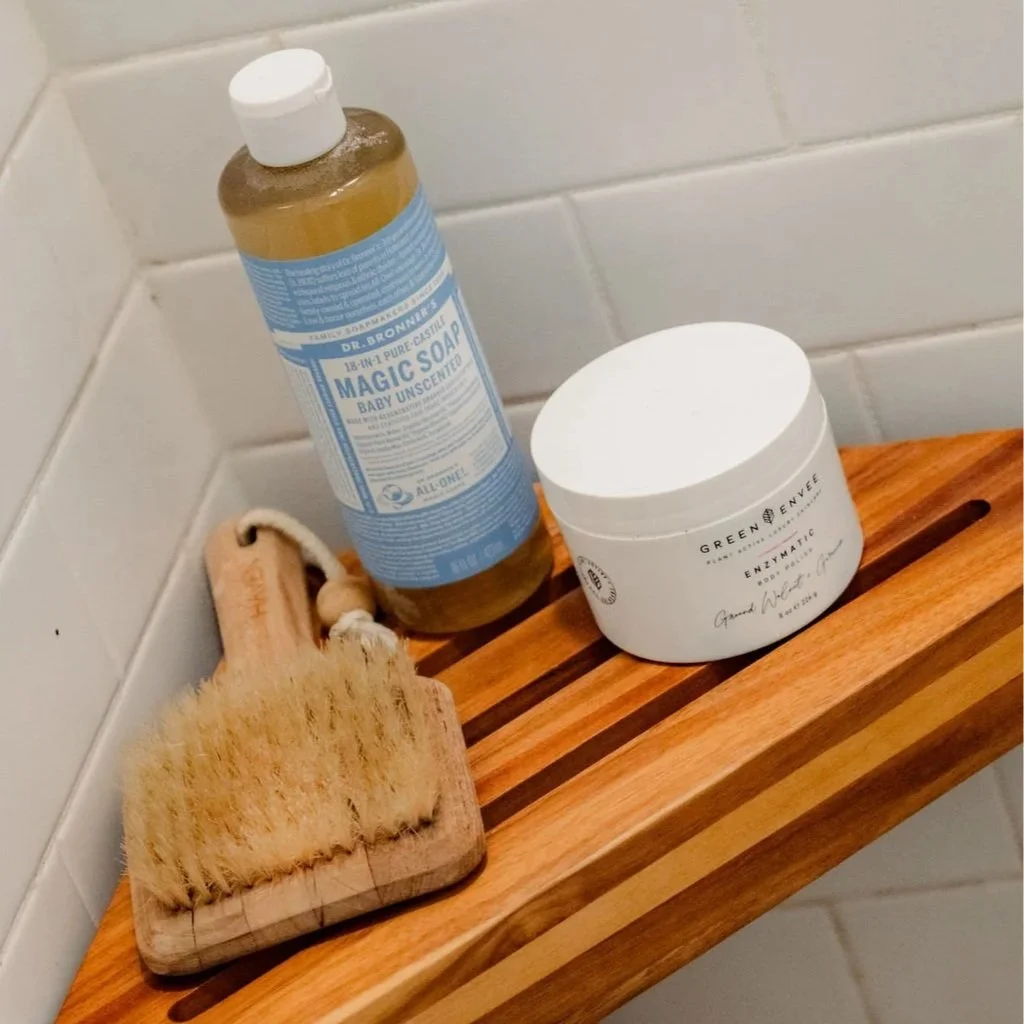
Cleaning products: Branch Basics and Dr. Bronner’s Pure Castille Liquid
Air fresheners: Avoid air fresheners and candles because they contain harmful fragrances and Benzene. Opt for essential oils to freshen the air in your home.
Plastic:
Commercially made water bottles, plastic food containers, and nonstick cookware contain high levels of PVC (polyvinyl chloride), BPA (bisphenol A), and PFAS (per- and polyfluoroalkyl substances). PVC and BPA are known to be hormone and endocrine disruptors, and PFAS are linked to a cascade of health effects such as increased cholesterol, fertility issues in women, changes in the immune system, liver damage, and increased risk of thyroid disease.
Easy household swaps for plastic are glass containers and beeswax wraps instead of sandwich bags.
Drinking Water
PFAS have also been found in drinking water, along with arsenic, nitrates, and other contaminants.
I recommend Larq for water pitchers or investing in a reverse osmosis water filtration system.
Beauty and Skincare Products
Like cleaning supplies, many beauty and skincare products contain fragrances, which can lead to the accumulation of forever chemicals in the body. Other harmful additives include formaldehyde, heavy metals such as lead and mercury, and coloring. Specifically, chemicals such as toluene and triclosan have been linked to endocrine disruption, cancer, and organ toxicity.
Many of these toxic chemicals have been banned by the European Union and other nations. Unlike food systems, the FDA largely relies on the personal care products industry to regulate itself when it comes to consumer risks.
Brands I recommend: Ilia for makeup and Native Deodorant.
Study on Toxin Exposure in Homes
Researchers analyzed 30 cleaning products, including multipurpose and glass cleaners, air fresheners, and more, to see if these everyday products release hazardous VOCs. Testing conventional and “green” products, they detected a total of 530 unique VOCs across the 30 products, with the conventional products being the highest emitters. VOCs from cleaning products affect indoor air quality two to five times more than outdoor air, and some products emit VOCs for days, weeks, and even longer.
Selecting products labeled “fragrance-free” is a great first step, especially for household cleaning products and agents. For purifying air, I recommend the brand Air Doctor.
Diving Deeper into Toxin Exposure: Planetary Health
As I’ve discussed, the many concerns VOCs have for human health, they also pose a major threat to planetary health. A 2018 study found that half of the VOCs in air pollution come from consumer products. Plastics and other single-use products continue to ramp up the global concern of emissions from waste that take years to break down–only to infiltrate our waterways, wildlife habitats, and vital environmental ecosystems.
Choosing products that are safer for your health and more sustainable in their usage not only benefits you and your loved ones, but the planet too!
Interested in learning more about ways to limit toxin exposure?
Tap below to schedule a discovery call with me, and let’s dive in together!