

Importance of Fermented Foods
Macronutrients like proteins, carbs, and fats get a lot of attention from health experts and enthusiasts–and for good reason–but have you ever thought about prioritizing fermented foods in your diet? From benefits like increased gut microbiome diversity, stronger immune health, improved digestion, enhanced nutrient absorption, and reducing inflammation, implementing fermented foods supports may be the underrated hero for overall health.
Fermented Foods and Gut Health
Because of the way fermented foods support bacteria in the gut microbiome, they’re most prominently synonymous with improved gut health. The gut microbiome is like an ecosystem of microorganisms, similar to a garden. Eating a wide variety of fermented foods as well as high-fiber foods, vegetables, and fruits helps increase gut microbiome diversity.
Benefits of a diverse microbiome:
Stronger immunity
Better digestion and nutrient absorption
Improved mental health
Better gut and brain communication
Healthier skin biome
Regulate hormone imbalances
Gut Microbiome, Probiotics, and Prebiotics
Probiotics are examples of “good” bacteria. Found in the digestive tract, it provides the body with an abundance of benefits while helping control the harmful “bad” bacteria. “Bad” gut bacteria, dysbiosis, can lead to digestive issues like bloating, diarrhea, and constipation while also affecting skin health, mental health, and contributing to sugar cravings.
Prebiotics are what help feed the good microbes! They support probiotics through regulating bowel movements, helping brain and gut communication, stimulating hormones for hunger and fullness cues, and reducing inflammation.
To read more about prebiotics, probiotics, and gut health, read my previous blog, Prebiotics and Probiotics: What You Need to Know.
Examples of Fermented Foods
CocoYo - 2 spoonfuls
Coconut Cult yogurt - 2 spoonfuls
Kimchi - Wildbrine or Cleveland
Sauerkraut
Kombucha - 1 cup per serving
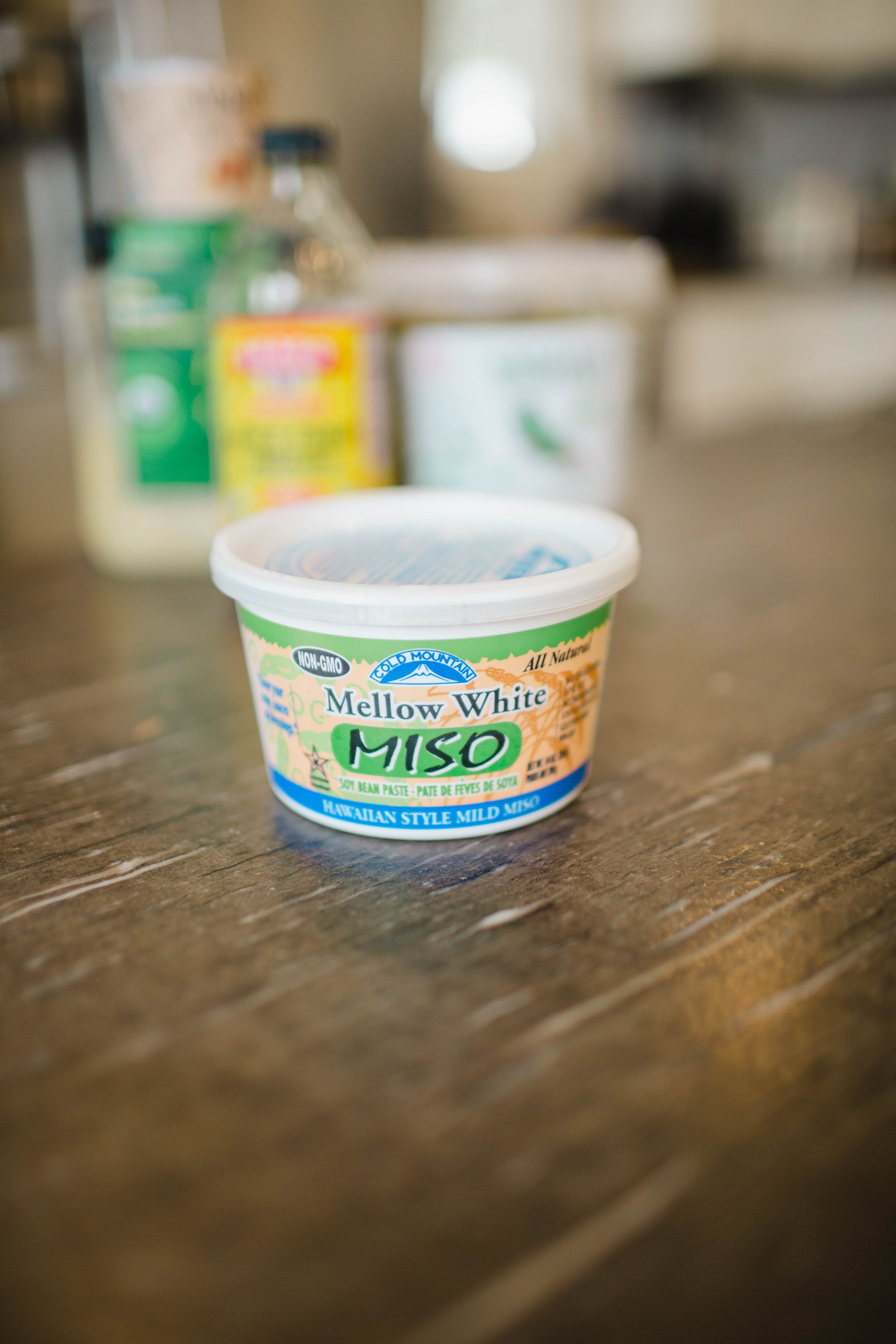
Miso paste
Easy to add to ramen, broths, and dressings
Raw, unfiltered ACV - mix 1 tbsp in 4 oz water before meals
I recommend starting with two servings of fermented foods a week until your microbiome adjusts, and then you can include them daily.
Studies on Fermented Foods
Although fermented foods have been consumed for over a millennium, it wasn’t until relatively recently that scientists began to explore the deeper links to fermentation and human health and nutrition.
In studying the gut microbiome, researchers have hypothesized that lifestyles, dietary patterns, and increased antibiotic exposure have led to inflammation and a greater prevalence of metabolic, immunologic, and neurologic disease. Specifically, diseases associated with the gut microbiome include osteoarthritis, diabetes, obesity, depression, Parkinson’s disease, and cancers.
Including fermented foods in your diet increases not only microbiome diversity, but in turn, it drastically reduces the risk of inflammation and disease. In a 10-week study and a 17-week study, there was an association between fermented food consumption and a reduction in inflammation, increased microbial diversity, and improved digestion. These results demonstrate that a small addition to your diet can cause a major beneficial change to gut, immune, and overall health.
Master Your Microbiome
My Master Your Microbiome program is your gut health intensive! This program utilizes the GI-Map Test to accurately reveal the imbalances in “good” and “bad” gut bacteria, digestive enzyme output, yeast and parasites, inflammation, gluten sensitivity, and more. It is perfect for individuals struggling with unexplained gut issues, and is designed for individuals who want to optimize their gut health with a customized protocol.
Struggling with digestion and gut-related issues?
Tap below to schedule a discovery call with me, and let’s dive in together!