

As a functional nutritionist, I love when wellness is simple, approachable, and understandable. In the constant and endless slew of information online, in books, or other resources around optimizing well-being, it can make starting out on your health journey difficult or confusing.
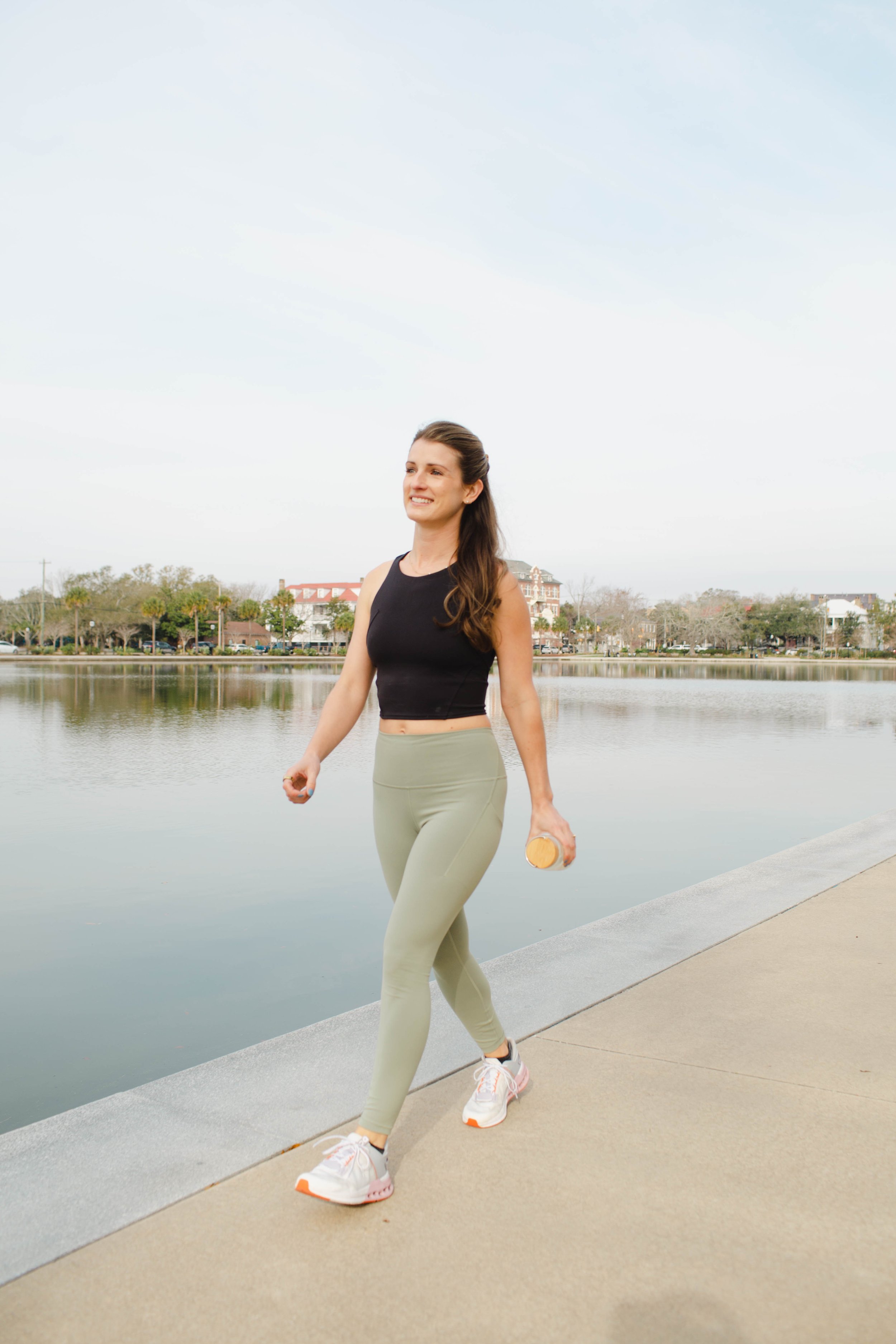
A practical way to kickstart a daily habit you can stick to that improves both your mental and physical health is lacing up your shoes and going for a walk after you finish a meal. Although it’s simple, it’s a wellness tool that many may not know of or overlook.
This article is going to be published at the perfect time: it’s the week of Thanksgiving! We all know how holiday gatherings can go, especially when it comes to all the tasty food surrounding you. You may fill your plate a little too much for your body to handle, and begin to feel the fullness and bloating creeping in. One of the best things you can do? Throw on your shoes and take a short walk. Make it an activity by inviting your friends and family to join you! Not only will you feel better, but they will too.
Why You Should Walk After a Meal
When you first begin walking, it stimulates the stomach, allowing food to move through the digestive system more quickly. For post-meal walks, researchers have reported a measurable effect on blood sugar levels, even after just walking for five minutes! Not only were blood sugar levels less extreme, but they also occurred more gradually. This is important as blood sugar spikes can lead to adverse health effects such as insulin resistance, raising the risk of cardiovascular disease and diabetes, as well as contributing to feelings of fatigue.
As explained in one of my previous blogs, “Navigating Holiday Stress: Simple and Free Wellness Hacks,” a few other benefits of walking after a meal include:
The reduction in the risk of heart disease, as regular exercise promotes overall reduction in blood pressure and LDL.
Increase in circulation
When you move your legs, the muscles that contract and relax allows blood to pump back toward your heart. As your heart rate rises, it delivers more oxygen-rich blood throughout the body. Walking has been known to be one of the best and most effective exercises for increased circulation.
Improves mental health
By moving the body, your brain releases dopamine, also known as the “pleasure” or “feel-good” hormone because of its association with the reward circuit in our brain. Our reward circuit becomes activated, and dopamine is released when we engage in activities or do things that make us feel good and are good for our bodies. The reward circuit and dopamine both play main roles as driving motivation for repeated habits.
Another mood-boosting hormone that’s released with exercise are endorphins. When engaging in exercises like walking, endorphins are released to help relieve pain, reduce stress, and improve overall well-being.
To learn more about dopamine and other ways to support dopamine naturally, check out my previous blog, “Dopamine 101: How to Naturally Support Your Brain’s Motivation Chemical.”
Circadian Rhythm and Walking
Taking yourself or others for a stroll after a meal in the evening can support your circadian rhythm! Think of your circadian rhythm as your internal alarm clock. It’s what helps your body have energy and feel awake in the morning, as well as signal when it’s time to wind down and get ready for bed. One of the key ways our body receives a signal that it’s time to slow down for the night is by light exposure. The absence of light or dim lighting allows our “sleep hormone,” or melatonin, to become activated.
So, instead of finding your way to the couch after mealtime, consider taking yourself for a walk. Let it be your time to unpack the day, play with your dog, phone a loved one, or let it be your mindful time in nature.