

A number of processes in the body happen when you first eat something: your tongue signals to your brain the food you’re tasting, and the brain works with your gut to release dopamine–the “feel good” hormone–into your bloodstream.
Some foods cause more of a response, or more of a dopamine spike. One of those foods? Sugar.
What is Sugar?
Let’s break down carbohydrates, sugar, and glucose: carbohydrates are one of the macronutrients our bodies need to maintain a healthy body, as carbs are converted into glucose to be used for energy. But it’s important to note that not all carbohydrates are the same; there are different forms with vastly different effects on the body.
Simple Carbohydrates
Simple carbs are digested quickly and commonly found in sweet foods such as table sugar, powdered sugar, maple syrup, sugary drinks, ice creams, and other sugary foods; but, they’re also found in more savory foods such as white rice, white pasta, and white bread. These foods are known as refined carbohydrates as they are generally processed foods that have been stripped of natural fiber, vitamins, and minerals.
Too much of these foods can lead to spikes in blood sugar and insulin levels, which can create a cascade of many health issues, like type 2 diabetes, heart disease, and inflammation.
Complex Carbohydrates
Complex carbs take longer for your body to digest and convert into glucose for energy. Compared to simple carbs, there isn’t as much of a blood sugar spike when eaten, especially when paired with a food high in healthy fats like nuts, seeds, avocado, olive oil, avocado oil, and coconut oil.
As opposed to simple carbs, complex carbs maintain vitamin, mineral, and fiber content as they are generally unprocessed and whole foods such as legumes, starchy and fibrous vegetables, and whole grains.
The Brain
Many researchers, scientists, and nutritionists have labeled sugar as an addictive substance, as it has a similar pleasure response as other addictive substances like drugs and alcohol.
What makes sugary foods and simple carbs so hard to resist?
When we consume sugar, our “sweet” taste buds activate our brain’s reward system. From there, a network of other electrical and chemical pathways occurs across other areas of the brain.
Overactivating this reward system is what creates a spiral of cravings and loss of control around sugar. When eaten, the dopamine that’s released from the brain does not decrease after repeatedly eating the meal or the food, unlike a balanced meal with protein, fat, and a complex carb. With balanced meals, there is an initial dopamine spike, but it tends to level out or decrease as you eat that same meal over time, making it less appealing. This is not the case with sugar. For the cookies, ice cream, crackers, and other simple carbs, there is a continuous release of dopamine, making them a source of comfort for many individuals.
The Gut
Our gut microbiome is home to trillions of microscopic organisms that have the power to impact digestion, our immune system, our mental health, our metabolism, and chronic disease risk.
Our microbiomes are unique to us, with diet and environmental exposures having a direct impact on the diversity of gut bacteria. Recent studies have reported that in the case of the gut microbiome, sugar causes an increase in the abundance of “bad” bacteria while simultaneously decreasing the amount of “good” bacteria. Having a diet filled with too much sugar and not enough fiber has been associated with an increased risk of metabolic and cardiovascular disease, chronic inflammation, and inflammatory bowel disease (IBD)
To read more about the gut microbiome, read my previous blogs, “Probiotics and Prebiotics: What You Need to Know” and “The Power of Postbiotics.”
The Immune System
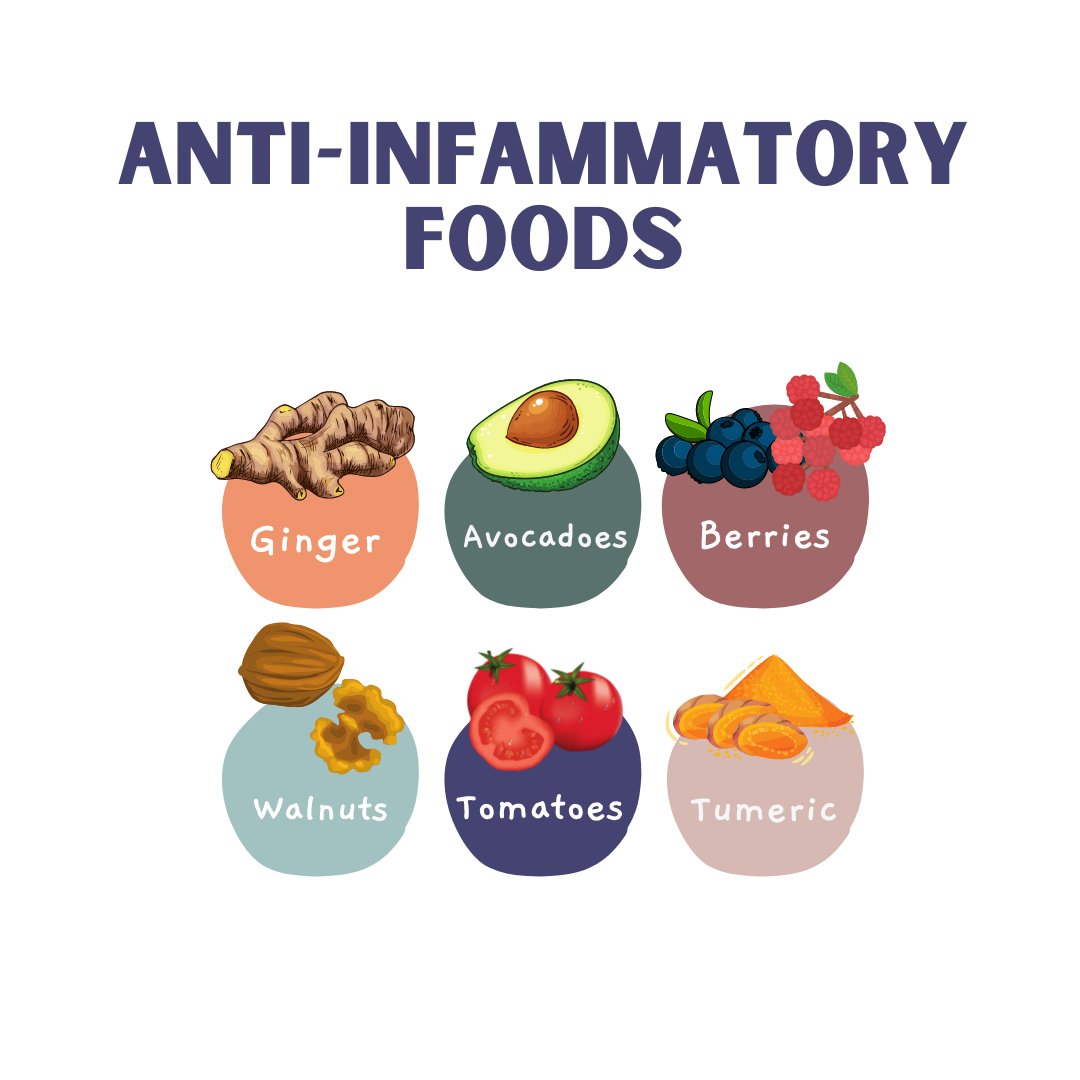
As sugar causes inflammation, it has effects on our immune system. Having a diet filled with processed and refined carbohydrates causes blood sugar spikes and leads to low-grade chronic inflammation that slows down our white blood cells. This makes it harder for your body to fight off germs and other bacteria.
A Study Examining Sugar’s Affect on the Body
The health of our brain, gut, and immune system all rely on one another. In a complex web of signaling and communication, they would not be able to support a healthy body without each other.
A 2022 mouse study evaluating a high sugar and high fat diet’s effect on metabolic health, obesity, and other health conditions, found that over a course of four weeks, the mice showed characteristics of metabolic syndrome, like weight gain, insulin resistance, and glucose intolerance. Among these results, the researchers also reported that the mice’s gut bacteria dramatically changed, therefore influencing a drop in protective immune cells.
Keeping the mice on a high-fat diet, but eliminating sugar, allowed the mice to be protected from metabolic dysregulation and obesity. The researchers concluded that their study demonstrated the close overlap of diet, the gut microbiome, and the immune system.
To read the full study, click here!
Interested in learning ways to support a healthy body?
Tap below!