

All About Matcha
Jitters, a racing heart, anxiety… With these common negative side effects from coffee, people are turning towards an alternative to their morning cup o’ joe.
A solution? Matcha.
Caffeine levels between coffee and matcha are different, and the way the body processes both beverages is important to consider, especially if you are sensitive to caffeine. With some variation, a typical cup of coffee contains about 100-140 mg of caffeine, while matcha contains about 70 mg.
Coffee releases caffeine rapidly, increasing alertness and focus. This surge in energy can cause an adrenaline spike and affect glucose levels, leading to fatigue later in the day once the caffeine wears off.
Matcha, however, creates a steadier, lasting caffeine high. It’s released much slower which prevents the “afternoon slump” and keeps you feeling alert for longer, without the intense side effects.
Benefits of Matcha: L-theanine
Matcha contains a compound known as L-theanine, recognized for its ability to promote relaxed alertness and alter the jittery effects of coffee.
L-theanine also does wonders for the brain and memory. It may help sharpen your memory, improve your focus, and shorten reaction time.
Benefits of Matcha: Polyphenols and Antioxidants
Foods and beverages high in polyphenols tend to have a rich, vibrant color. Matcha, a bright, grassy green, is rich in polyphenols.
Polyphenols provide anti-inflammatory benefits and are antioxidants, both of which are immensely beneficial to the body. Since matcha is made by grinding whole tea leaves into a powder, it provides higher amounts of antioxidants, specifically EGCG.
Epigallocatechin gallate (EGCG) is a potent polyphenol antioxidant found particularly in green tea and is known to support cardiovascular health, reduce inflammation, and has anti-cancer properties.
Antioxidants help stabilize harmful free radicals that are associated with cellular damage, leading to chronic inflammation. Antioxidants also support skin health; a 2021 review found they help protect the skin from UV-induced aging and cellular damage.
The Difference Between Matcha and Green Tea?
Matcha is a type of green tea made from finely ground young tea leaves grown under shade. Compared to green tea, matcha has a stronger umami flavor and a slight sweetness. It also contains higher concentrations of amino acids (particularly L-theanine), antioxidants, and other vitamins. Matcha contains 10x the amount of antioxidants than regular green tea!
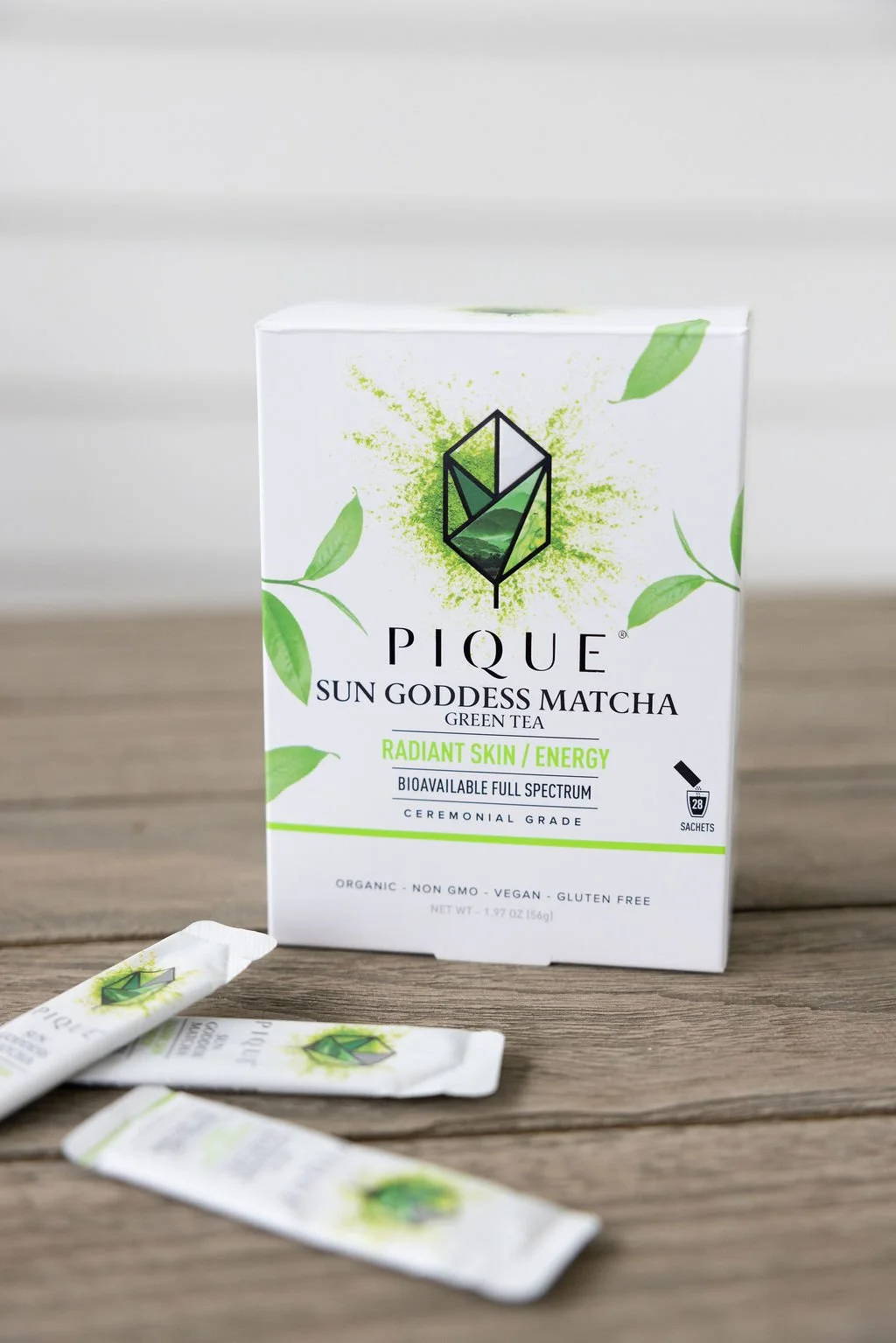
PIQUE LIFE
With many options of matcha to choose from, when I’m asked for a brand recommendation, I always suggest a higher quality ceremonial grade matcha for smoother taste. Their Sun Goddess Matcha is 100% organic, ceremonial-grade matcha from Japan, quadruple-toxin-screened for purity and nutrient bioavailability.
Interested in more ways nutrition can support your health and well-being?
Tap below to schedule a discovery call with me, and let’s dive in together!