

Leaky Gut: What It Is, Why It Happens, and How to Heal It Naturally
What is Leaky Gut?
To discuss leaky gut, we first need to consider its foundation: intestinal permeability. Even though it may not be the most visible subject to some, as a functional nutritionist with a specialty in gut health, I cannot overstate how important a strong gut lining is to overall health and disease prevention.
When our GI tract digests food, it takes valuable nutrients and absorbs them through the wall of the gut to be transported through the bloodstream. In technical terms, this means the gut is semi-permeable (which is beneficial). Where things can go wrong is when intestinal permeability increases (hyperpermeability).
Your gut lining acts like a selective filter — allowing nutrients into your body while keeping irritants out. When that barrier is stressed or becomes “leaky,” it can become hyperpermeable, allowing more particles (undigested food, toxins such as pesticides, microbial byproducts, and yeast) to cross into circulation in amounts the immune system isn’t designed to handle.
When these immune-stimulating materials get through, your immune system remains more activated than it should, and over time, that can manifest as food reactions, skin issues (acne, eczema, psoriasis, dermatitis), joint pain, anxiety, digestive symptoms, fatigue, brain fog, autoimmune flare-ups, and chronic inflammation.
How does it happen?
Some factors that affect intestinal permeability, or “leaky gut”:
Chronic stress
Toxins (alcohol, pesticides, food additives/preservatives, environmental pollutants, mycotoxins from mold, heavy metals)
Lack of fiber/poor diet (ultra-processed foods, excess sugar, alcohol)
Gut infections or dysbiosis
Medications (NSAIDs, antibiotics, birth control)
Hormonal shifts (pregnancy, postpartum, perimenopause)
How do you know if you have a leaky gut?
Because a leaky gut can drive systemic inflammation, symptoms can vary across individuals. Technically, conventional medicine and doctors do not label this as a medical diagnosis, but signs and symptoms of the gastrointestinal tract should not be ignored.
Broken up into digestive versus non-digestive, here are some common signs of leaky gut:
Digestive symptoms: Bloating, gas, food sensitivities, irregular stools, reflux/indigestion
Non-digestive symptoms: Fatigue, Brain fog, Skin issues acne, eczema, psoriasis, dermatitis), Joint pain, Autoimmune condititions, chronic inflammation, hormone imbalances
How to heal
Our gut and brain are closely connected. Working through a link called the gut-brain axis–connecting the nervous system and the gut–they’re communicating constantly.
Stress and sleep
Stress management and stress-reducing practices (meditation, deep breathing, exercise, walking, nature, activities that bring you joy, mindful eating), as well as prioritizing sleep, support the nervous system. When our bodies aren’t in “fight or flight,” we’re better able to digest, maintain microbial balance, have more energy, and improve cognition.
Nutrition
Nutrition supports not only the gut lining but also the beneficial bacteria and microbial diversity of the gut microbiome. Eating a diversity of colorful, whole foods high in fiber as well as being anti-inflammatory, is what helps the gut thrive, whereas processed foods, food additives, and sugar can disrupt gut balance.
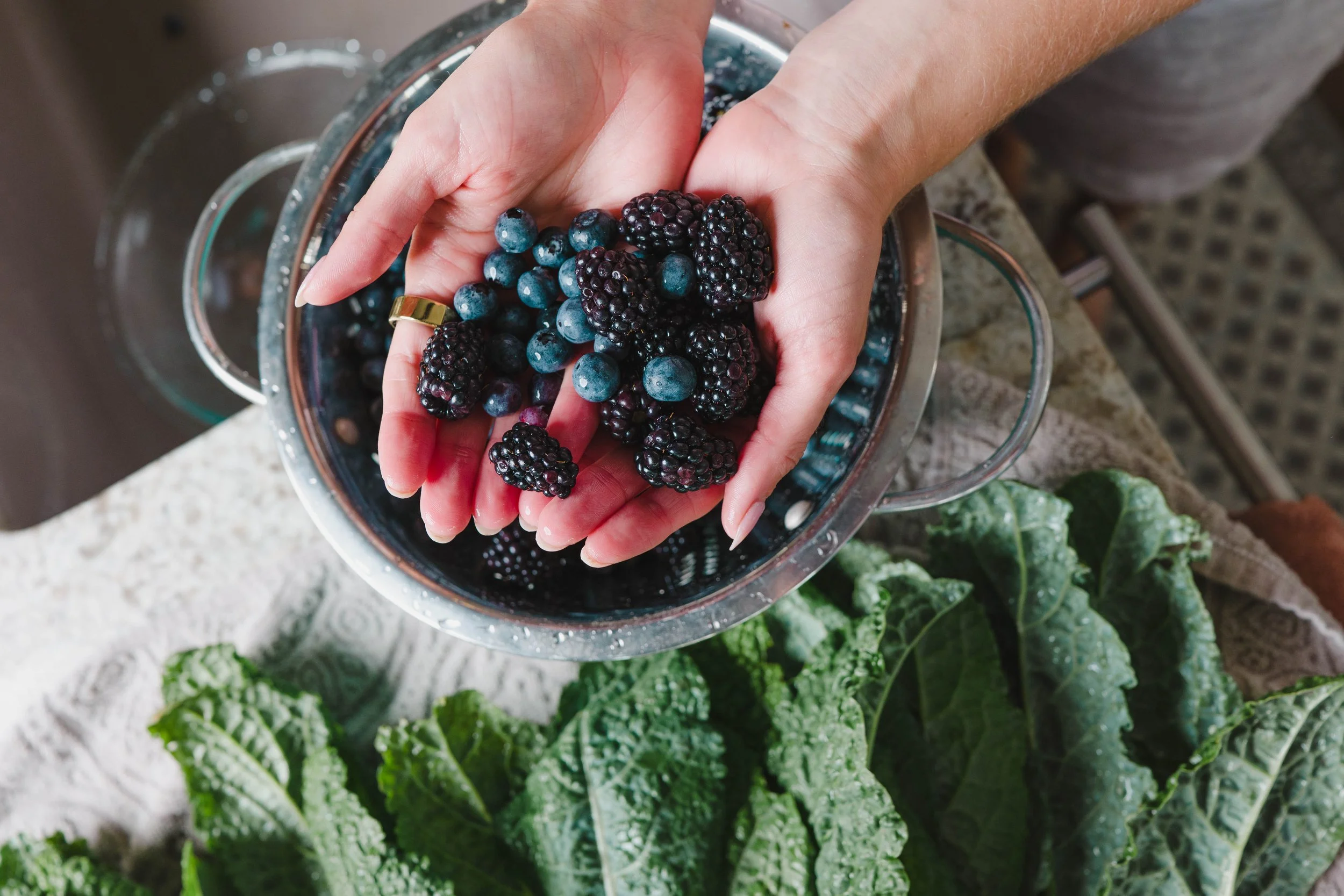
Foods that help heal the gut microbiome and gut lining:
Fiber-rich foods: leafy greens, legumes, chia seeds, flax seeds, kiwi, okra, sweet potatoes, carrotes, pumpkni
Anti-inflammatory foods: blueberries, salmon, avocado, walnuts, pomegranate, turmeric, ginger
Fermented foods: kimchi, kefir, sauerkraut, miso, tempeh, yogurts
To read more about fermented foods, read my previous blog, The Importance of Fermented Foods
If tolerated, some that have leaky gut cannot tolerate fermented foods until there gut is healed
Collagen-rich: bone broth and supplemental collagen
Micronutrients: Vitamin D, Vitamin A, Iron, Magnesium, B Vitamins, zinc, omega-3 fatty acids, polyphenols
Protein:
Amino acids like glutamine, glycine, proline, and threonine are especially important for maintaining and repairing the intestinal lining and mucus layer.
Core Gut-Lining Support Supplements
Supplements don’t “fix” leaky gut on their own — they create the right environment for repair while you address root causes like inflammation, nutrition, dysbiosis, nutrient deficiencies, stress, infections, and food triggers. This list should be personalized based on your symptoms, health history, and GI MAP test results.
Zinc carnosine – supports tight junction repair and soothes irritated gut lining
L-glutamine – primary fuel for intestinal cells; supports regeneration of the gut barrier
Glycine – calming amino acid that supports the mucus layer + nervous system
Aloe vera – soothing for reflux, gastritis, and GI inflammation
Slippery elm – coats and protects the gut lining; helpful for reflux, IBS, and discomfort
Marshmallow root – supports the mucus layer and soothes irritated tissues
Collagen – provides amino acids needed for tissue repair
N-acetyl glucosamine (NAG) – supports mucus layer production and barrier repair
Butyrate (or fibers that increase butyrate production) – fuels colon cells and strengthens barrier integrity
Targeted probiotics (strain-specific) – support gut immunity and barrier function (when chosen appropriately)
Master Your Microbiome
Curious if you have a leaky gut? For clients with digestive issues such as bloating, gas, and food intolerances, I always recommend GI-MAP testing. From there, I can see what is happening in your body and develop a personalized protocol based on your results. For a leaky gut specifically, I look at Zonulin and Secretory IgA levels.
The GI-MAP test is an at-home stool test that reveals the imbalances in the “good” and “bad” gut bacteria, digestive enzyme output, yeast and parasites, inflammation, gluten sensitivity, and more. My Gut Health Intensive program is ideal for those struggling with unexplained gut issues or looking to optimize gut health with a customized protocol.
Client Testimonial:
“I’ve experienced digestion issues since I was at least 16. I was diagnosed with IBS two separate times and prescribed medication to deal with it. At 35, I still had no relief. I did the 3-month program with Abigail, and within the first week, I already felt better. My digestion issues were also linked to others I was experiencing, and I had no idea they were related. By addressing my digestion head-on, the other issues were resolved independently. The plan she put me on was, and is, completely sustainable. I love good food and wine, and I can enjoy those things still while keeping my digestion in check.”