

My Favorite Healing Foods
As a functional nutritionist, I get asked by many of my clients what my favorite foods are for healing, longevity, and overall wellness. Although I emphasize the importance of eating a diverse amount of colorful, whole plant foods for a strong gut microbiome, there are certain foods that I turn to weekly and even daily.
Fibrous Foods: Flax and Chia Seeds
I can’t emphasize the importance of fiber enough. Fiber is a structural component of plants, and technically, it isn’t digestible by humans. Because we can’t break it down or absorb it, it moves through the digestive tract and helps carry toxins, waste, excess fat, and cholesterol out of the body. In this way, fiber plays a key role in supporting healthy digestion and overall gut health.
Chia and flax seeds are excellent sources of soluble fiber, which forms a gel-like consistency when mixed with liquid. This gel helps soothe and support the gut lining while promoting more stable blood sugar levels. The soluble fiber also helps stimulate mucin production—the protective layer of mucus that lines the intestines and acts as a barrier against pathogens and irritants. In addition, these fibers feed beneficial gut bacteria, supporting a healthier and more resilient gut environment.
Easy to incorporate into smoothies, oatmeal, Greek yogurt bowls, or sprinkled on top of salads, you can add a little nutrient boost!
Interested in a sweeter, on-the-go light breakfast or snack? Try my Protein Pumpkin Muffins with flax seeds! Or my chocolate chia seed pudding.

Cruciferous Vegetables
An easy addition to any meal: vegetables, specifically cruciferous vegetables! Some examples of cruciferous vegetables are arugula, broccoli, brussels sprouts, bok choy, cauliflower, cabbage, kale, radishes, and turnips.
Cruciferous vegetables contain natural compounds called glucosinolates, which are converted in the body into bioactive compounds like sulforaphane during digestion. These compounds help support the body’s natural detoxification pathways and have been shown to protect cells from oxidative damage. Research suggests they may also help reduce cancer risk by supporting the elimination of carcinogens and inhibiting the growth of abnormal cells.
In fact, a 2015 analysis investigating the association between cruciferous vegetable intake and inflammatory and oxidative stress markers among middle-aged women found that women with higher cruciferous vegetable intake had lower concentrations of pro-inflammatory markers than the control group.
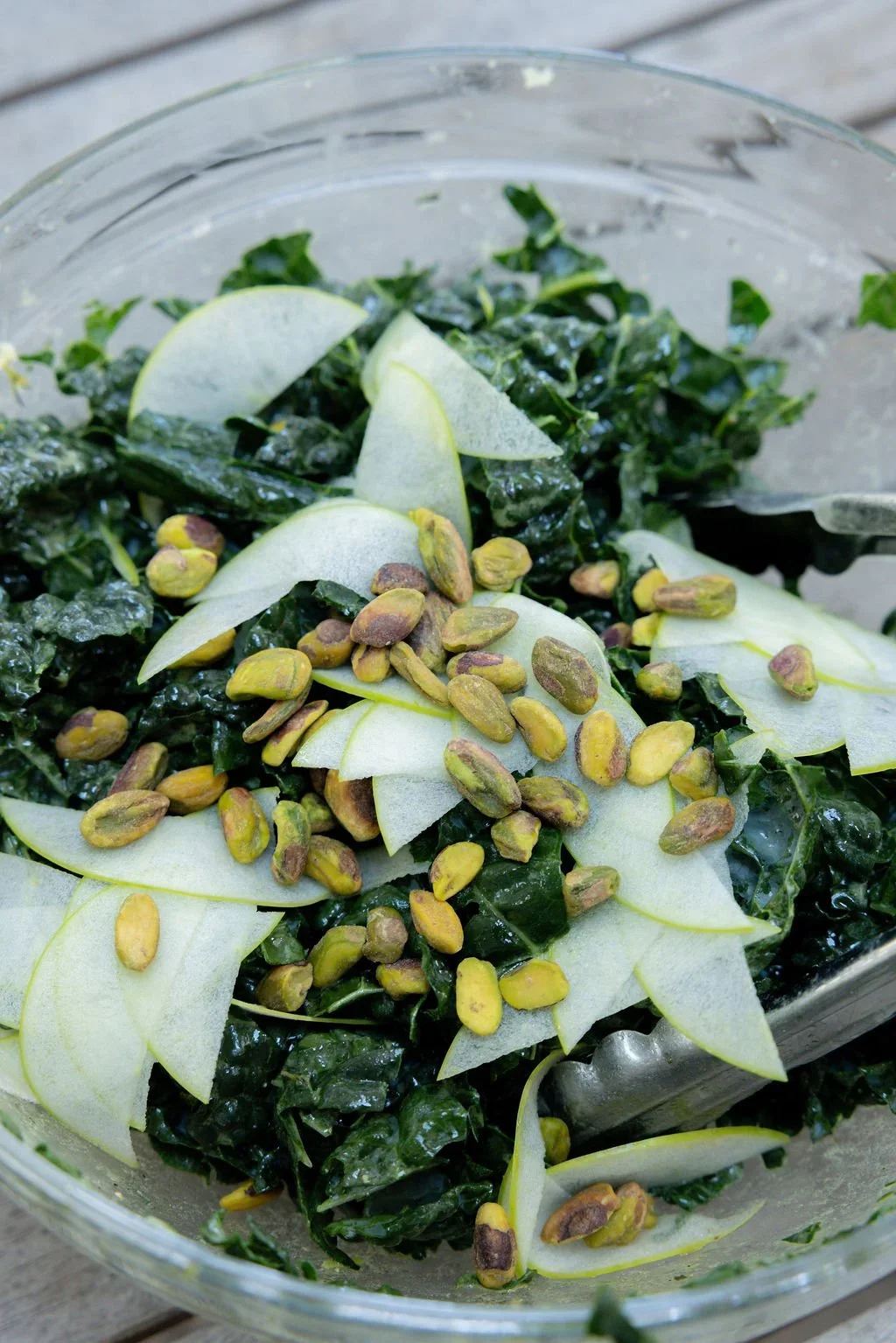
A few of my favorite recipes using cruciferous vegetables:
Root Vegetables
Root vegetables like beets, carrots, sweet potatoes, and sunchokes are blood-boosting, hearty, and warming to the body. One of my favorite things about these vegetables? They are fantastic for hormone health.
Here are some ways these foods support hormones:
Beets:
Beets help the body detoxify and metabolize hormones effectively. They are rich in betaine, a compound that supports liver function and methylation—two processes that help the body break down and clear excess hormones like estrogen. Beets also contain fiber, which helps bind and eliminate metabolized hormones through the digestive tract rather than allowing them to be reabsorbed. Additionally, their natural nitrates support healthy blood flow, which can benefit overall metabolic and reproductive health.
Carrots:
Raw carrots contain a fiber called lignin that binds to endotoxins and excess estrogen and removes them from the body. In another way, carrots support hormone health through pectin, a type of fiber carrots contain. Pectin helps regulate blood sugar and reduce insulin spikes.
Sweet potatoes:
Sweet potatoes provide complex carbohydrates that help stabilize blood sugar and support healthy cortisol balance. They’re also rich in fiber, which aids digestion and helps the body eliminate excess hormones through the gut. In addition, sweet potatoes contain beta-carotene (a precursor to vitamin A), an important nutrient for reproductive health, progesterone support, and proper immune function. Both Eastern and Western cultures view sweet potatoes as one of the healthiest foods on Earth!
Click to read more about root vegetables and hormone health and to get my root vegetable recipe!
Berries
Berries are rich in color and high in antioxidants! Antioxidants have a wide range of benefits, including reducing inflammation, enhancing brain function, protecting skin, and improving heart health.
Green tea and Matcha
Matcha is a type of green tea made from finely ground young tea leaves grown under shade. Compared to green tea, matcha has a much stronger antioxidant powder. Matcha contains a compound known as L-theanine, recognized for its ability to promote relaxed alertness and alter the jittery effects of coffee.
L-theanine also does wonders for the brain and memory. It may help sharpen your memory, improve your focus, and shorten reaction time.
Read my previous blog, All About Matcha.
Turmeric and Ginger
Turmeric and ginger provide powerful anti-inflammatory, antioxidant, and immune-boosting benefits. Plus, they add extra flavor to any dish!
Aromatics
Aromatics, specifically garlic and onion, are sulfur-based and are a great anti-viral and antibacterial. Adding these to your diet regularly helps immunity and supports heart health.
Have fun in the kitchen by adding some of these foods to your weekly meal prep and cooking, and know you’re supporting your health, too.
Interested in more ways to support your longevity?
Tap below to schedule a discovery call with me, and let’s dive in together!